

PERSONAL FINANCE MADE EASY
Get Your Copy of TheStreet Magazine
Citi sends a strong verdict on Mag 7, stock market
Citi just made a call on the stock market that changes how investors should be thinking about AI exposure
Jul 23, 2026 9:17 AM EDT

By Hillary Remy
Markets, Tech, Personal Finance Writer
0
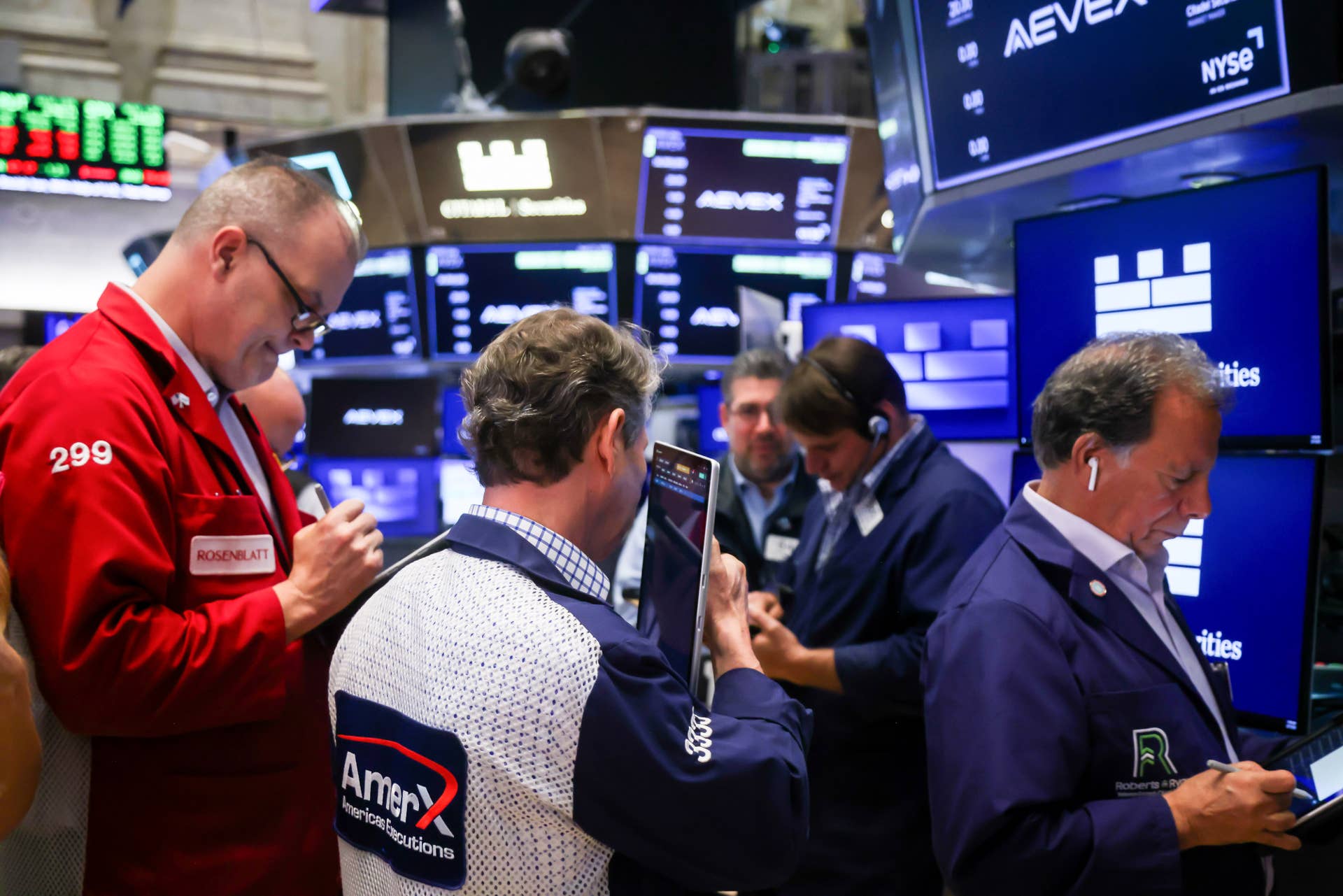 Michael/Getty Images
GOOGL
Follow
AMZN
Follow
AAPL
Follow
META
Follow
4 more...
For about three years, the Magnificent Seven was Wall Street’s shortcut for everything that was working in markets. Nvidia ( NVDA), Apple ( AAPL), Microsoft ( MSFT), Alphabet (GOOGGL), Amazon ( AMZN), Meta ( META), and Tesla ( TSLA). You owned them, you owned the AI boom. The trade was simple, and it paid off well for a long time.
Citi just called time on it.
Scott Chronert, the bank’s head of US equity strategy, said the Mag 7 is “dead as a construct for assessing large-cap growth dynamics, and it has been for some time.”
He added: “It is time to refocus away from the term Mag 7,” Bloomberg reported. The bank’s replacement framework is already outperforming, Business Insider reported.
Why Citi says the Magnificent Seven no longer maps the stock market
The performance gap makes the case on its own.
The Roundhill Magnificent Seven ETF, which tracks the group, is up just 1% so far this year while the S&P 500 has gained 9%. Microsoft is the worst performer in the group, down 17% in 2026 as investors have grown increasingly nervous about heavy AI capital spending.
The fragmentation that Citi is now formalizing has been visible for over a year, as TheStreet reported.
More Wall Street:
- Wall Street sends strong 4-word verdict on the stock market
- Wall Street’s $200 billion IPO wave threatens sell-off
- Wall Street flees software plays for triple-digit chipmaker boom
Citi put a finer point on the dispersion. A weighted index of the top 25 stocks that have contributed most to S&P 500 returns is up 7% this year, compared to a 2% gain for the Mag 7 cohort.
Earnings growth has been spreading across the index, and Citi says sticking to the original seven names is causing investors to miss it.
“Even a Mag 10 breakout would miss significant earnings contributors,” strategists wrote, pointing to strong results from companies like Intel, Applied Materials, and Lam Research.
What Citi’s growth cluster is and how it’s actually performing
Citi’s replacement framework is what it calls a “growth cluster,” a basket of companies that have contributed the most to S&P 500 earnings in recent quarters and are directly influenced by AI.
The cluster spans six different industries and makes up roughly half of the S&P 500’s total market cap.
The numbers back the switch. The growth cluster gained 24.7% in the second quarter, compared to 14.9% for the S&P 500. For the year through the end of Q2, it’s up 11.8% against the index’s 10.1% gain. It also beat Citi’s cyclical and defensive clusters across those same periods.
Valuations are part of what’s driving the case.
The price-to-earnings-to-growth ratio for companies in Citi’s growth cluster is at a 15-year low. If investors can access AI-linked growth and strong earnings at better valuations than the most crowded mega-cap names, the argument for anchoring a portfolio to the original seven gets harder to make.
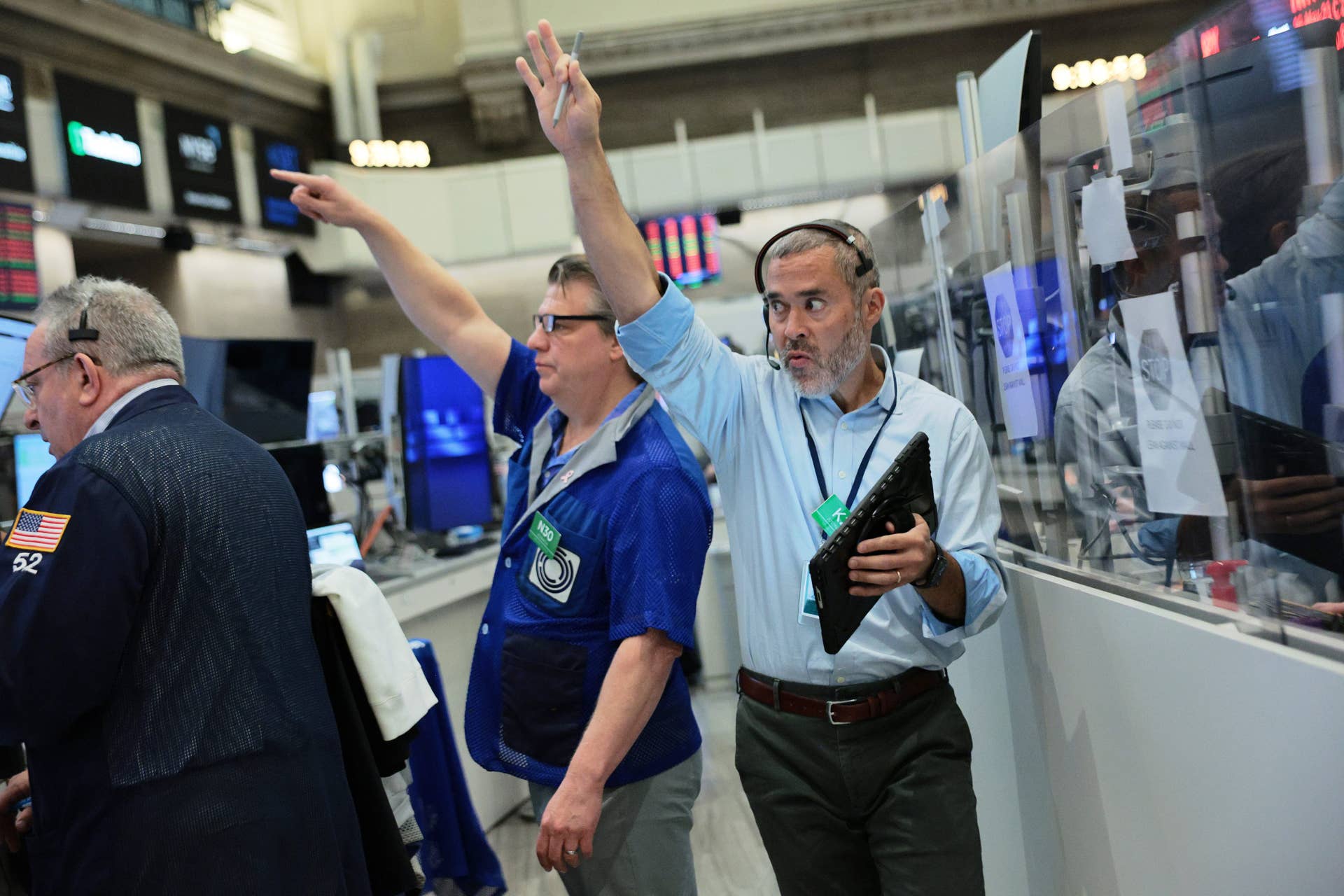
For about three years, the Magnificent Seven was Wall Street’s shortcut for everything that was working in markets Santiago/Getty Images
Why AI is still central but the trade has shifted across the stock market
Dropping the Mag 7 label doesn’t mean Citi is downgrading its view on AI. The bank says roughly 55% of the S&P 500 is directly influenced by AI tailwinds or headwinds, with the growth cluster accounting for nearly half of the index’s expected earnings over the next 12 months.
The AI trade has just gotten messier.
The iShares Semiconductor ETF is down 18%, and the Roundhill Memory ETF has fallen 32% over the past month. Some AI-linked hardware and memory plays have been badly hurt by rotation and valuation concerns. That’s partly what’s creating the opportunity Citi is pointing to: not all AI exposure is equal, and some of the better-positioned companies aren’t in the Mag 7 at all.
“We don’t think there is any one right way to perfectly describe how much of the S&P 500 reflects the AI trade,” Citi said. “We believe our cluster approach to assessing the S&P 500 makes intuitive sense and gets us close.”
What Citi’s framework change means for stock market investors
The old playbook was simple: own the Mag 7 and you owned the market’s growth story. Citi’s numbers suggest that’s no longer true. The companies actually lifting S&P 500 earnings this year are scattered across sectors, and a lot of them aren’t in the original seven at all.
Chasing the familiar mega-cap names has worked in past cycles, but the valuations and performance spreads Citi is showing suggest the next leg of growth investing may require a wider lens.
The bank’s growth cluster is essentially an argument that AI-driven earnings are a theme, not a club, and the theme has more members than the original grouping ever captured. For investors still anchoring their AI exposure to a seven-stock basket, that shift matters.
FAANG gave way to the Mag 7. Now Citi is saying the Mag 7 has run its course as a useful way to think about where growth is actually coming from. The bank’s data this year backs that view. The market has already moved, whether investors have updated their frameworks or not.
About the author
Hillary Remy
Markets, Tech, Personal Finance Writer
Follow
Hillary Remy is a finance and technology journalist with over five years of experience covering financial markets, fintech innovation, and emerging technologies that are reshaping the investing landscape. He specializes in stock markets, digital finance, and blockchain‑based financial systems, with a focus on how new technologies are transforming payments, investing, and capital markets. Hillary has contributed analysis and reporting to leading financial publications including Benzinga, Investing.com, and TipRanks, bringing a data‑driven and risk‑aware perspective to complex financial topics.
Start the Conversation
Trending Stories
01
Stock Market Today
Stock Market Today (July 23, 2026): Dow futures drop as Middle East tensions lift oil prices
Rob Lenihan
02
Stocks
Jim Cramer reveals 4 surging chip stocks he likes best
Mwangi Enos
03
Stocks
GE Vernova’s AI power trade has one weak link
Shuning Zhao
04
Technology
SK Hynix denies Intel Ohio fab deal, but the market didn’t care
Opeyemi Babalola
Comments
Have fun. Don't be mean. Feel free to criticize ideas, not people. Report bad behavior.
Sign in to continue
Continue with Google
Sign in another way
No one has shared their thoughts yet.
Leave a comment so your voice will be heard first.
Read Original at thestreet.com →