

Our Latest Box Features Vera Bradley, Make Up For Ever and More Top Brands
IE 11 is not supported. For an optimal experience visit our site on another browser.
Skip to Content

Cyclospora Outbreak Expands; Eggs Recalled Over Salmonella
02:36
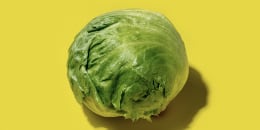
Cyclospora, the nasty parasite known for causing “explosive diarrhea,” has sickened an estimated 18,000 Americans this summer so far. Amid investigations into the source of recent outbreaks, iceberg lettuce has emerged as a possible culprit.
Cases of the parasitic illness, aka cyclosporiasis, started ramping up in the United States in May, which matches the typical seasonal pattern of the disease. But this year, the U.S. has already seen dramatically more cases than its usual 3,000 annually.
At least 423 people have been hospitalized nationwide. No deaths have been reported so far.
In July, officials identified a massive, multistate cyclosporaisis outbreak in the Midwest, which has since expanded to nine states, according to the Centers for Disease Control and Prevention. Cases in other parts of the country are also rising.
The CDC and U.S. Food and Drug Administration have zeroed in on shredded lettuce served at Taco Bell as a potential source. The supplier, Taylor Farms, has recalled of all of its iceberg lettuce sourced from central Mexico from the U.S. market.
Health authorities are still investigating why cases have hit record-high levels this summer, where the contaminated lettuce was sold, and whether there are other outbreak sources.
Here’s where cyclosporiasis are surging in the U.S., what to know about the stomach-churning infection and how to stay safe during peak fresh produce season.
What Is the ‘Diarrhea Parasite’ Going Around?
Cyclosporiasis is an intestinal infection caused by Cyclospora cayetanensis, a microscopic parasite carried in human feces. The parasite is not new, and cases normally increase in the summer in the U.S.
People become infected with cyclospora by consuming food or water contaminated with particles of feces from an infected person, Kali Kniel, Ph.D., professor of microbial food safety at the University of Delaware, tells TODAY.com.
The parasite infects the small intestine, causing severe bowel upset. The hallmark symptom of cyclosporiasis is watery and sometimes “explosive” diarrhea, per the CDC.
Other common symptoms include abdominal cramping, bloating, appetite loss and fatigue, ER doctors treating cyclosporiasis patients told TODAY.com.
If left untreated, the diarrhea can last for weeks, but cyclosporiasis isn’t usually life-threatening, says Kniel. Doctors can treat the infection with a combination antibiotic.
Person-to-person spread is very unlikely. That’s because after the parasite is shed in feces, it takes one to two weeks living outside the body to mature and become infectious, says Kniel.
Cyclospora can get into produce if it’s grown in soil or washed with water contaminated with feces; fresh fruits and vegetables are common culprits, says Kniel.
Where Are Cyclosporiasis Cases Surging?
Nearly 18,000 confirmed or probable cases of cyclosporiasis have been reported by 45 states since May 1, per the latest CDC data as of July 28. Of these, the CDC has confirmed 6,707 cases and is investigating another 11,500 cases, the agency said.
On average, the entire U.S. typically sees about 3,000 cyclosporiasis cases a year.
The massive outbreak in the Midwest initially spanned five states: Indiana, Kentucky, Ohio, Michigan and West Virginia. In a July 24 announcement, the CDC announced that it expanded to four more states: Illinois, Kansas, Oklahoma and Pennsylvania.
The FDA is also investigating five smaller cyclosporiasis outbreaks in the U.S., though it has not specified where they are.
Here’s which states are reporting the most cases:
Michigan is being hit the hardest. As of July 29, the state has reported 10,077 cyclosporiasis cases and 160 hospitalizations, per the Michigan Department of Health and Human Services.
Ohio has reported over 2,500 cases. Indiana and Illinois are each nearing 600 cases, and cyclosporiasis case counts have surpassed 200 in Missouri, New York and North Carolina, based on data from state health departments provided to NBC News.
Beyond the nine-state outbreak linked to shredded lettuce, it’s unclear which clusters of cases in the U.S. may be connected, and investigations are ongoing, the CDC said.
“There may be multiple unrelated outbreaks going on at the same time,” Donald Schaffner, Ph.D., professor of food microbiology in the Department of Food Science at Rutgers University, tells TODAY.com.
The true number of cyclospora infections in the U.S. is likely higher than the numbers currently being reported — that’s because many people recover on their own and never get tested for cyclospora, per the CDC.
“We anticipate continuing to see cases increase, possibly through the end of August,” Gwen Biggerstaff, deputy director of the CDC’s Division of Foodborne, Waterborne and Environmental Diseases, said.
What Food Is Driving the Rise in Cyclospora Cases?
So far, the FDA and CDC have identified one possible source of cyclospora cases in the outbreak affecting nine states: shredded iceberg lettuce served at Taco Bell.
Health officials zeroed in on the fast-food chain after interviewing over 1,900 people sickened in these states who reported eating at Taco Bell in June or July, the FDA said.
Taco Bell has removed all affected lettuce from its supply chain. The supplier, Taylor Fresh Foods, issued a voluntary recall of all of its iceberg lettuce products sourced from central Mexico.
However, it’s possible that another source is also driving cases in the nine-state outbreak and elsewhere in the U.S. Officials in North Carolina said Tuesday that fresh parsley and cilantro may be behind the increase in cases in the state, which has surpassed 700 cases.
Investigations are ongoing. “Additional implicated brands, restaurants, retailers, or distribution channels may be identified, reaching additional states,” the FDA said in a July 24 update.
Schaffner and Kniel both suspect there’s more than one food or water source fueling outbreaks nationwide.
Past cyclosporiasis outbreaks in the U.S. have been linked to the following foods:
- Salad greens
- Cilantro
- Basil
- Raspberries
- Green onions
- Snow peas
Tracking Cyclospora Outbreaks
Cyclospora is a particularly challenging parasite to track, food safety experts tell TODAY.com.
The incubation period for cyclosporiasis is long, and symptoms may not appear for up to 14 days. Then, confirming a diagnosis through testing and being interviewed by an epidemiologist can take weeks or longer, says Schaffner. By that point, the person isn’t likely to remember what they ate that could’ve caused their symptoms.
As a result, only a small portion of cyclosporiasis cases every year get traced back to a particular food item.
It’s also worth noting that, in July 2025, the CDC’s foodborne surveillance network made testing for cyclospora optional, which could be impacting the response, Schaffner says. Federal health authorities have denied that changes to surveillance are affecting the investigation.
Foods to Avoid Due to the Cyclosporiasis Outbreak
The only way to prevent cyclosporiasis is to avoid food and water that may be contaminated with feces.
So far, only one recall has been issued due cyclospora concerns: Taylor Farms iceberg lettuce from central Mexico.
In the recall, 33 out of the 35 affected products were sent to food service locations and two were provided to Walmart and sold under the brand Marketside:
- Iceberg Salad: 12 oz., 24 oz.; best if used by July 18–Aug. 3, 2026
- Shredded Lettuce: 8 oz., 16 oz.; best if used by July 18–Aug. 3, 2026
The recalled products were distributed to 27 states: Alabama, Arkansas, Connecticut, Florida, Georgia, Iowa, Illinois, Indiana, Kansas, Kentucky, Louisiana, Massachusetts, Maryland, Michigan, Missouri, Mississippi, North Carolina, New Hampshire, New Jersey, Ohio, Oklahoma, Pennsylvania, South Carolina, Tennessee, Texas, Virginia and Wisconsin.
The FDA is urging consumers not to eat any of the recalled lettuce, including at Taco Bell or other restaurants. It encourages consumers to ask about the source of iceberg lettuce before ordering it at a restaurant.
Still, experts are urging people not to panic.
“Almost all servings of fresh fruits and vegetables that you can buy on the market today are not linked to this outbreak, and are not any more likely to cause illness because of the outbreak,” says Schaffner.
“We know that fresh (produce is) part of a healthy diet, and I certainly don’t want to discourage that,” adds Schaffner, who still plans to enjoy his favorite fruits and vegetables this summer.
The experts encourage people to stay up to date on recalls and food safety alerts.
How to Prevent Cyclospora
Cooking food to least 158 degrees Fahrenheit is the best way to protect yourself, as heat destroys the parasite. Freezing can also inactivate cyclospora, but it’s not a guarantee.
Washing produce thoroughly can reduce the risk of foodborne illness, but it won’t eliminate cyclospora entirely.
Health authorities have offered a few more tips to prevent cyclospora infection:
- Wash your hands well with soap and hot water before and after handling raw produce.
- Scrub all fresh vegetables and fruits with a produce brush under clean, running water. Do not use soap.
- Remove the outer layer of leaves or the peel, if possible. Run the inner leaves under running water.
- Cut or peel off damaged areas of produce before eating.
People with weakened immune systems may need to take extra precautions and should consult their doctor about how to avoid foodborne illness, says Kniel.
“We are seeing hospitalizations, so if you do get sick, good hydration is critical, and so is getting clinical care because this can be treated,” Kniel adds.
If you develop symptoms of cyclosporiasis, contact your doctor.

Caroline Kee is a health reporter at TODAY based in New York City. She covers a range of medical news, consumer health, and wellness topics.
Related
 \
\
Ekaterina Goncharova / Getty Images
\
\
Ekaterina Goncharova / Getty Images
Cyclospora Outbreak 2026 Map, Foods to Avoid as Parasite Reaches 41 States
News
/ UpdatedJuly 28, 2026
 \
\
Natasha Breen / REDA / Universal Images Group via Getty Images
\
\
Natasha Breen / REDA / Universal Images Group via Getty Images
6 Precautions Food Safety Experts Are Taking as the ‘Diarrhea Parasite’ Outbreak Investigation Continues
News
/ UpdatedJuly 20, 2026
 \
\
Tatiana Maksimova / Getty Images
\
\
Tatiana Maksimova / Getty Images
As Cases of ‘Diarrhea Parasite’ Cyclospora Rise Across the US, Is It Safe to Eat Fresh Produce?
News
/ UpdatedJuly 16, 2026
 \
\
Heather Diehl / Getty Images
\
\
Heather Diehl / Getty Images
What Is an Aortic Dissection? Sen. Lindsey Graham’s Likely Cause of Death Explained
News
/ UpdatedJuly 13, 2026
\
\
Ekaterina Goncharova / Getty Images
Cyclospora, aka the ‘Explosive Diarrhea Parasite,’ Surging in US: Follow These Precautions, Officials Say
News
/ UpdatedJuly 9, 2026
 \
\
Karwai Tang / WireImage
\
\
Karwai Tang / WireImageKate Middleton Shares Photos With Her Kids From Recent Hiking Feat: What Is the National Three Peaks Challenge?
Royals
/ UpdatedJuly 6, 2026
 \
\
Kevin Mazur; Charly Triballeau / Getty Images
\
\
Kevin Mazur; Charly Triballeau / Getty Images
Taylor Swift’s Wedding Guests Are Starting To Share Impressions Of That Magical Night At MSG
Weddings
/ UpdatedJuly 5, 2026
 \
\
MementoJpeg / Getty Images
\
\
MementoJpeg / Getty Images
Amid Extreme Heat Wave, Don’t Use Fans Indoors If It’s Above This Temperature, Experts Warn
News
/ UpdatedJuly 1, 2026
 \
\
Anadolu / Anadolu via Getty Images
\
\
Anadolu / Anadolu via Getty Images
I’m an ER Doctor. I Always Have These 4 Items on Hand During a Heat Wave
News
/ UpdatedJune 30, 2026
 \
\
Donato Sardella / WireImage via Getty Images file
\
\
Donato Sardella / WireImage via Getty Images file
‘The Ring’ and ‘Lilo & Stitch’ Actor Daveigh Chase’s Cause of Death Revealed as AIDS
News
/ UpdatedJune 29, 2026
Read Original at TODAY.com →