

Trendingnow
1
2
3
1
2
3
Indeed chief economist: Aging Baby Boomers are America’s real labor problem, not AI
By Svenja Gudell Svenja Gudell
Down Arrow Button Icon
By Svenja Gudell Svenja Gudell
Down Arrow Button Icon
July 18, 2026, 5:30 AM ET
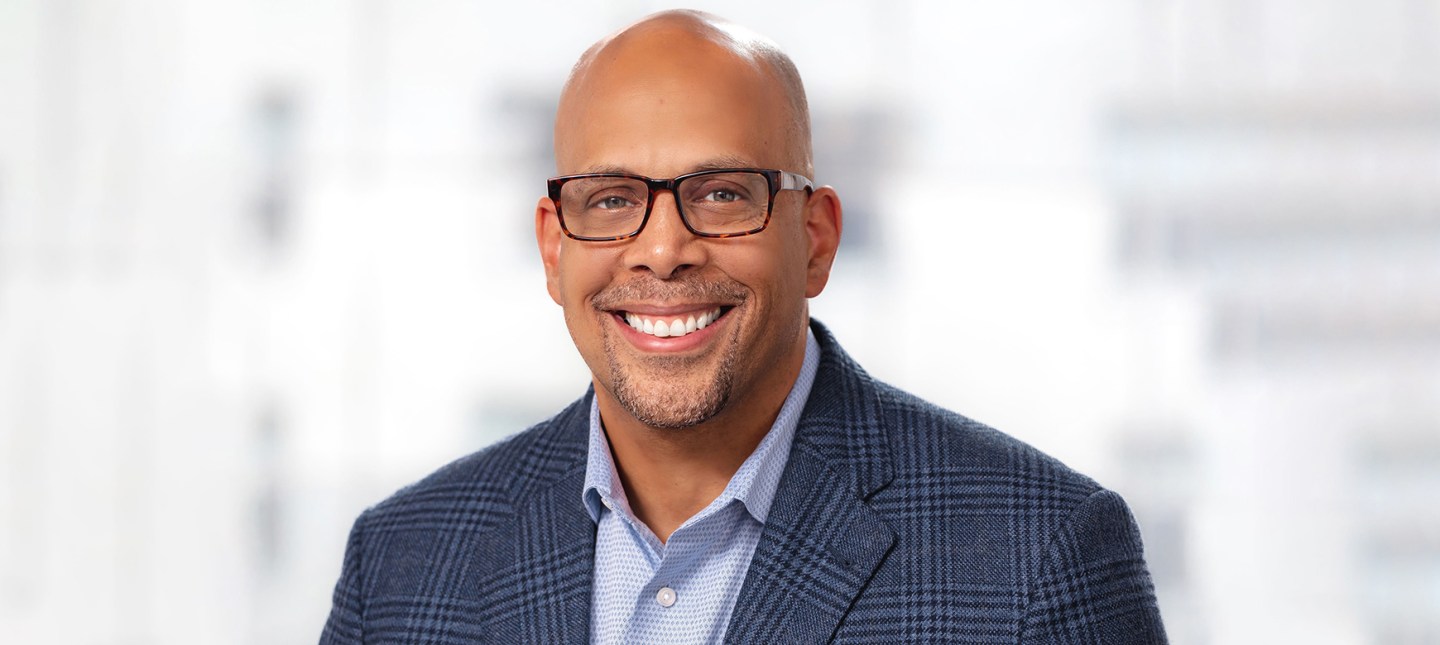
Svenja Gudell, Chief Economist, Indeed.

Svenja Gudell, Chief Economist, Indeed.courtesy of Indeed
Add Fortune on Google for similar content.
Add us on Google
Add us on Google
For 250 years, America benefited from one economic advantage so consistent it was easy to take for granted: the workforce kept growing. A steadily expanding labor force helped the economy adapt through recessions, technological shifts, and periods of disruption.
Recommended Video
That growth is about to end, and as a country, we have not fully reckoned with what that means.
Indeed Hiring Lab research projects the US labor force could shrink by nearly 6 million workers by 2032. This is not a cyclical slowdown, but rather simple demographic math: The birth rate has been falling for decades, and Baby Boomers are retiring faster than younger generations can replace them.
At the same time, businesses are just starting to grapple with the impact of artificial intelligence. Much of the conversation today around AI has focused on cost savings and job losses. But if you are worried about AI taking all the jobs, you’re worrying about the wrong thing.
So far, there is little evidence of widespread AI-driven job losses. If anything, companies are still hiring aggressively around AI implementation, infrastructure, and deployment. What we do know is that we are facing a demographic cliff that will hit different sectors differently, and the ones impacted the most are least likely to be disrupted by AI.
The sectors facing the most severe shortages, including healthcare, construction, and skilled trades, are still deeply dependent on human labor. Healthcare deserts have become more common in parts of the country. The Health Resources and Services Administration projects the US could face a shortage of over 140,000 full-time physicians by 2038. Employers in healthcare, engineering, manufacturing, and the public sector keep telling us the same thing: they cannot find enough qualified workers, even in a slower labor market. Meanwhile, hiring has cooled in many white-collar sectors such as software development or marketing, the very industries most exposed to AI.
AI tools can help automate and enhance large parts of a software developer’s job. But while it may help a nurse automate paperwork, it cannot replace bedside care. Automating parts of a logistics workflow is not the same thing as building homes without construction workers.
This is the mismatch at the heart of the problem: the occupations facing the biggest demographic pressures are not the same occupations where labor is most readily available. The question is not whether there will be work to do. There will be. The challenge is whether we can move workers into the jobs the economy actually needs quickly enough.
A worker displaced from their office role cannot instantly become a nurse or electrician. Licensing requirements, retraining costs, geography, and wage expectations all create real barriers. Our research consistently shows how closed many of these pipelines actually are, even when shortages on the other side are acute and well documented.
We have also spent years steering talent toward a relatively narrow set of white collar careers, like those in finance or tech, that at the time, promised stable career growth and outsized wages. Meanwhile, demand for workers in occupations facing the largest shortages, from skilled trades to certain healthcare roles, is only going to grow. But those jobs currently have a PR problem – despite offering ample stability and good pay, too many workers assume the opposite and avoid these jobs.
This mismatch carries a growing cost. Employers are already feeling it in longer hiring cycles and rising recruiting costs. For the job seeker on the other side, a prolonged mismatch means delayed income, stalled career progression, and extended uncertainty. When shortages persist in critical occupations, the effects compound: more pressure on existing workers and growth that becomes harder to sustain. Getting the right person into the right role faster becomes an economic imperative.
Closing the gap requires employers to think more strategically about workforce planning and where and how they look for talent: geographically, across industries, and across career stages. It requires investment in apprenticeships and earlier-stage training pipelines that funnel new workers into high-demand fields rather than simply cycling through the workers already in them. According to an Indeed survey, while two-thirds of US workers view skill development as a personal priority, fewer than half believe their employer feels the same way. With a slower-growing workforce, employers cannot simply search for talent. They will increasingly need to help build it.
Workers will need to adapt too. Career paths are becoming less linear as AI reshapes roles, and skills transfer further than most people realize. We’ve found that a project manager, a data analyst, and a retail supervisor hold very different jobs, yet each shares a core set of business operations skills found in more than 70 percent of jobs nationwide. Workers who keep building skills and remain open to other industries will have a real advantage as demand shifts faster across sectors.
Finally, the same tech tools that are causing disruption are also the ones we’ll need to help smooth out the matching process. AI must do more than automate tasks. It can help workers understand how their existing skills apply to roles they otherwise might not consider. It can surface realistic career transitions, and help employers look beyond credentials to see the skilled workers that may get screened out by traditional filters. The data already exists; the opportunity to act on it, at scale, has never been greater.
The challenge ahead is not a lack of talent. America has always had a hardworking, innovative and adaptable workforce. That won’t change. What is changing is that we can no longer rely on workforce growth alone to power the economy forward. A smaller labor force, concentrated in a more demanding set of roles, leaves little room for slow matches, misaligned hiring, or workers stuck on the wrong side of a skills gap. The stakes of getting this right are high.
For the past 250 years, a bet against the American workforce’s ability to do hard things has consistently been a losing one. I’m not ready to stop betting on it now.
The opinions expressed in Fortune.com commentary pieces are solely the views of their authors and do not necessarily reflect the opinions and beliefs of Fortune .
About the Author
See full bioRight Arrow Button Icon
Add Fortune on Google for similar content.
Add us on Google
Latest in Commentary

Commentary Daylight Saving Time
By Steve H. HankeJuly 18, 2026
12 hours ago
Indeed chief economist: Aging Baby Boomers are America’s real labor problem, not AI
By Svenja GudellJuly 18, 2026
16 hours ago
By Jim SheltonJuly 17, 2026
2 days ago

The dollar’s demise has been predicted for 55 years. The BCG Institute says it’s still overstated
By Philipp Carlsson-Szlezak, Nikolaus Lang and Paul SwartzJuly 17, 2026
2 days ago

Europe optimized its supply chains for cost. Now it must pay for resilience
By Richard SaynorJuly 16, 2026
2 days ago

Genesys CEO: We can see firsthand how AI is changing — not replacing — work
By Tony BatesJuly 16, 2026
3 days ago
Most Popular

By Sasha RogelbergJuly 17, 2026
2 days ago

By Fortune EditorsJuly 15, 2026
3 days ago

By Jason MaJuly 18, 2026
6 hours ago
Indeed chief economist: Aging Baby Boomers are America's real labor problem, not AI
By Svenja GudellJuly 18, 2026
16 hours ago

By Marco Quiroz-GutierrezJuly 17, 2026
2 days ago

By Nick LichtenbergJuly 18, 2026
15 hours ago
Read Original at Fortune →