
Recommended Videos
Left Arrow

Bodegas push back on Mamdani's city-run grocery plan

Trump did the wise thing on the Russia sanctions bill: Sen Jim Banks

Iowa and Missouri sue New York over greenhouse gas reporting program

A diplomatic war is breaking out between Rome and Madrid, former Margaret Thatcher advisor says

Iran’s leaders want the ‘entire world’ to submit to them, GOP lawmaker says

Gingrich pushes pro-growth reconciliation as GOP's next move

Kaylee McGhee White: Here’s why establishment Democrats are in a pickle

Newt Gingrich outlines GOP path to victory

GOP lawmaker slams 'disgraceful' Dr Fauci hearing

Far-left policies are an ‘invitation’ to what we’re seeing in Spain, Sen Bill Hagerty says

GOP urged to revive Reagan-era tax cuts to fuel economic growth

Kellyanne Conway lays out what the GOP should signal economically going into the midterms

Jason Rantz slams Seattle shooting response: Everything that could have been mishandled, was

Dr. Anthony Fauci is a 'celebrity hog,' says David Asman

Clay Travis slams 'indefensible behavior' at Seattle Storm game

Trump convenes Cabinet about Iran and announces disarming of Hamas

Scott Bessent calls US economy 'envy of the world' as China trade talks resume

Bessent says US economy is strong, calls for rare earth supply chain improvements

Bessent touts drops in core, service inflation in FBN interview

Dr. Deborah Birx reacts to Anthony Fauci pleading the Fifth at COVID hearing
Right Arrow
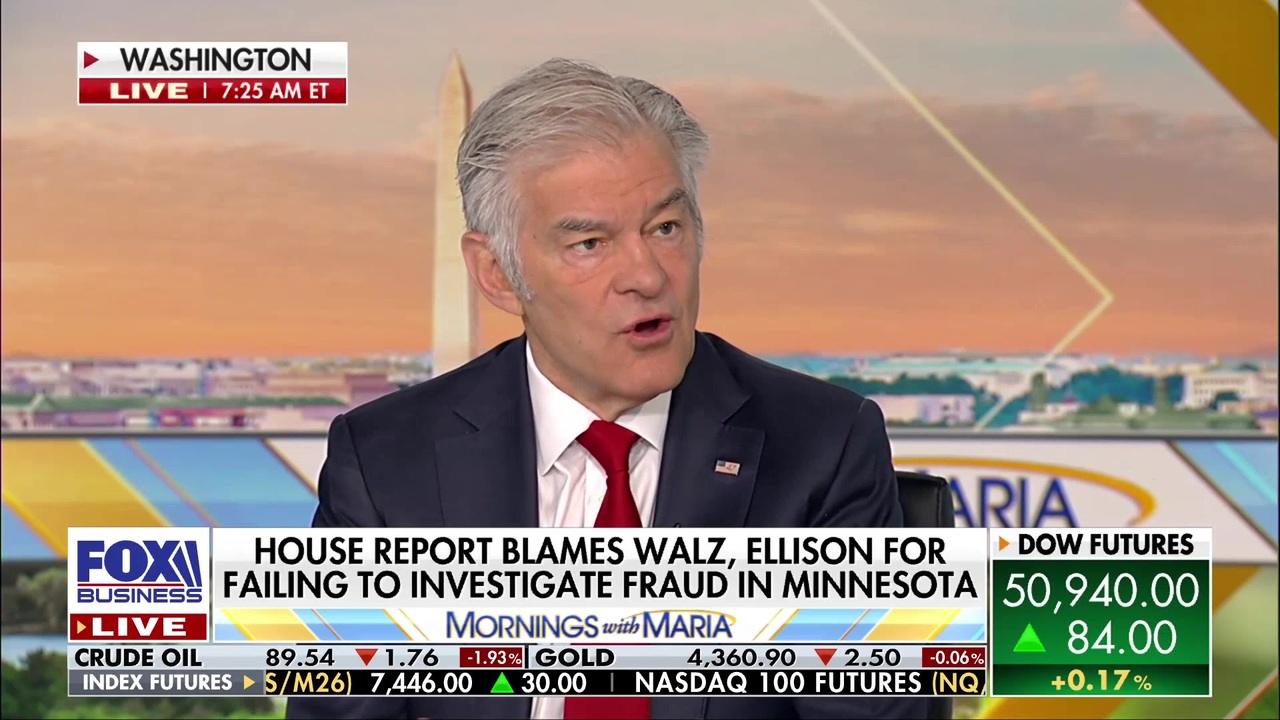
Dr. Oz exposes Minnesota's inaction on Medicaid fraud, citing 'racism' accusations
CMS Administrator Dr. Mehmet Oz reveals whistleblowers in Minnesota were 'ostracized' and called 'racist' for trying to address Medicaid fraud involving Somalis.
Minnesota’s ban on cryptocurrency ATMs took effect Saturday after state officials said residents had reported losing nearly $1 million in scams involving the machines since 2023.
Democratic Gov. Tim Walz signed legislation on May 4 banning the installation of crypto ATMs, also known as kiosks, which are commonly found in gas stations and convenience stores. Existing machines must be removed from the state by Dec. 31.
The ATMs were being used by criminals to disproportionately target seniors, according to state officials.
Scammers often impersonate law enforcement officers and pressure elderly victims into using nearby crypto ATMs to send money for a loved one’s supposed release from jail, according to Paul Haas, an investigator with Minnesota's Department of Commerce.
ALLEGED FEEDING OUR FUTURE FRAUD RINGLEADER TRANSFERRED FROM SOMALIA TO FACE US CHARGES
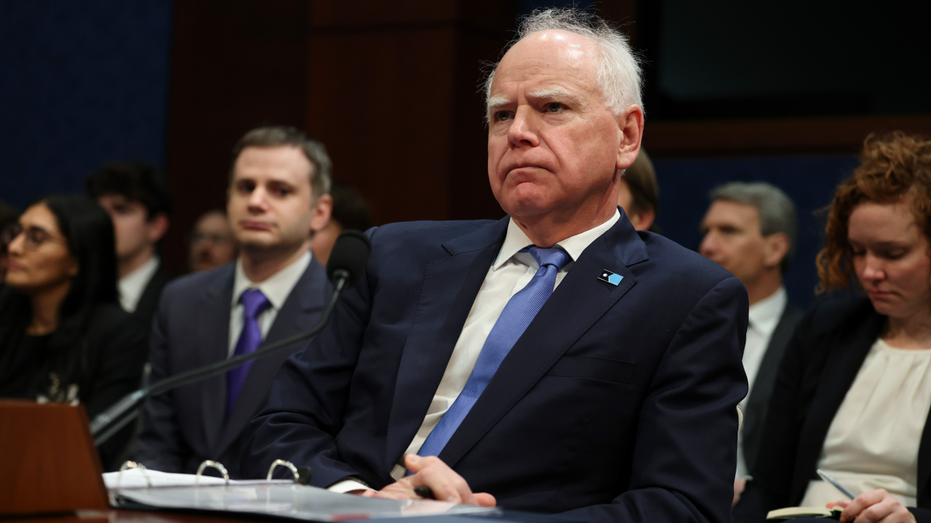
Minnesota Gov. Tim Walz prepares to testify during a House Oversight and Government Reform Committee hearing in the U.S. Capitol Building on March 4, 2026, in Washington, D.C. (Anna Moneymaker/Getty Images / Getty Images)
"When victims call our office after a crypto kiosk scam, you can hear the panic and shame in their voices," Haas said. "By the time victims realize they were deceived, the emotional and financial damage can be devastating."
Officials also said many of the thefts go unreported because the victims are embarrassed at having been tricked.
Last year alone, there were 70 cases of people falling victim to these kinds of fraud schemes, investigators said. More than $540,000 was lost and the average loss per transaction was nearly $6,800, according to state officials.
Crypto ATM transactions cannot be reversed and are often difficult to trace once the funds reach a scammer’s digital wallet, according to officials in several other states that have reported similar problems.
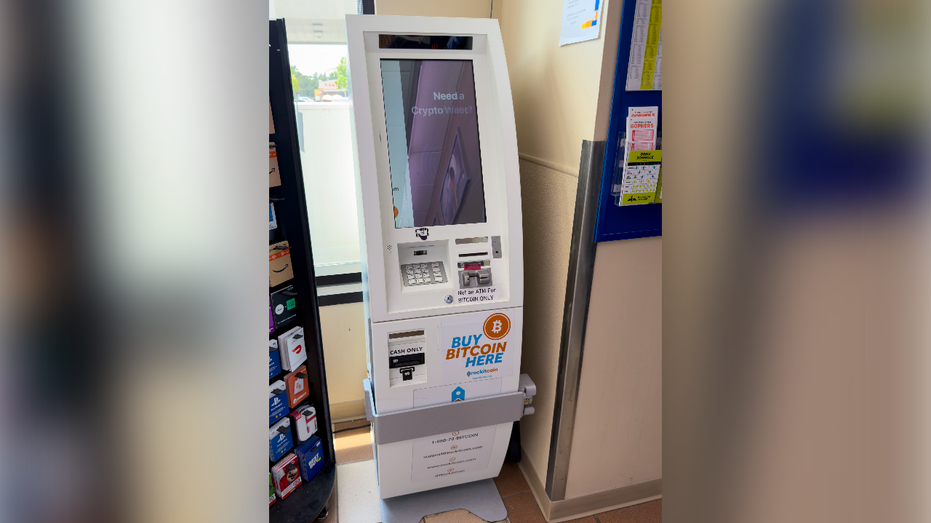
A cryptocurrency ATM in a gas station in White Bear Lake, Minnesota, on May 21, 2026. (Michael Siluk/UCG/Universal Images Group via Getty Images / Getty Images)
TIM WALZ BECOMES GOP PUNCHLINE IN SWEEPING NEW WAR ON WELFARE FRAUD
Transactions made with cryptocurrency are generally irreversible because once they are made, they are recorded on a decentralized blockchain, meaning no central institution can simply cancel them or recover the funds.
Traditional bank transactions, by contrast, pass through centralized financial institutions that may be able to freeze, dispute or reverse certain payments.
U.S. consumer-protection laws also require banks to investigate certain unauthorized electronic transfers, while credit-card customers generally have the right to dispute unauthorized charges through the chargeback process.
Crypto transactions generally do not carry comparable consumer protections, though Congress is attempting to bring digital currency under more stringent federal regulation.
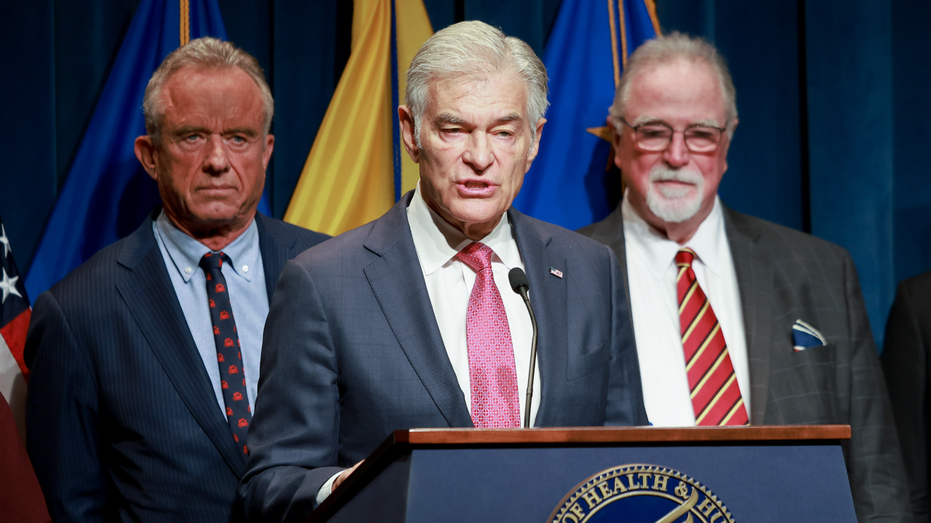
Mehmet Oz, administrator of the Centers for Medicare & Medicaid Services, announced his agency will freeze more than $1 billion in Medicaid funding to California and Minnesota over suspected fraud on July 21, 2026. (Tierney L. Cross/Bloomberg via Getty Images / Getty Images)
CLICK HERE TO DOWNLOAD THE FOX NEWS APP
The crypto ATM ban in Minnesota comes as the state faces broader scrutiny over allegations of widespread fraud involving government-funded programs, prompting a growing federal crackdown and renewed criticism of Walz’s oversight of state agencies.
On July 21, the Trump administration froze more than $1 billion in federal Medicaid funding to California and Minnesota over suspected fraud.
The Centers for Medicare & Medicaid Services (CMS), led by Mehmet Oz, is withholding more than $200 million from Minnesota while federal officials review what they described as high-risk Medicaid claims and documentation deficiencies.
Days after that announcement, the Department of Justice said four Minnesota men pleaded guilty to stealing $2.2 million from the state's program to help homeless people. The program was primarily funded through Medicaid.
