


Advertisement
Minnesota News You Can Use Subscribe
Report finds high denial rates at UnitedHealth, two other Medicare Advantage plans
The nation’s largest for-profit Medicare Advantage insurers denied pre-approval requests for post-hospital care 51% to 80% of the time, the study says. The industry says the findings paint a flawed picture.
The Minnesota Star Tribune
June 12, 2026 at 5:00AM
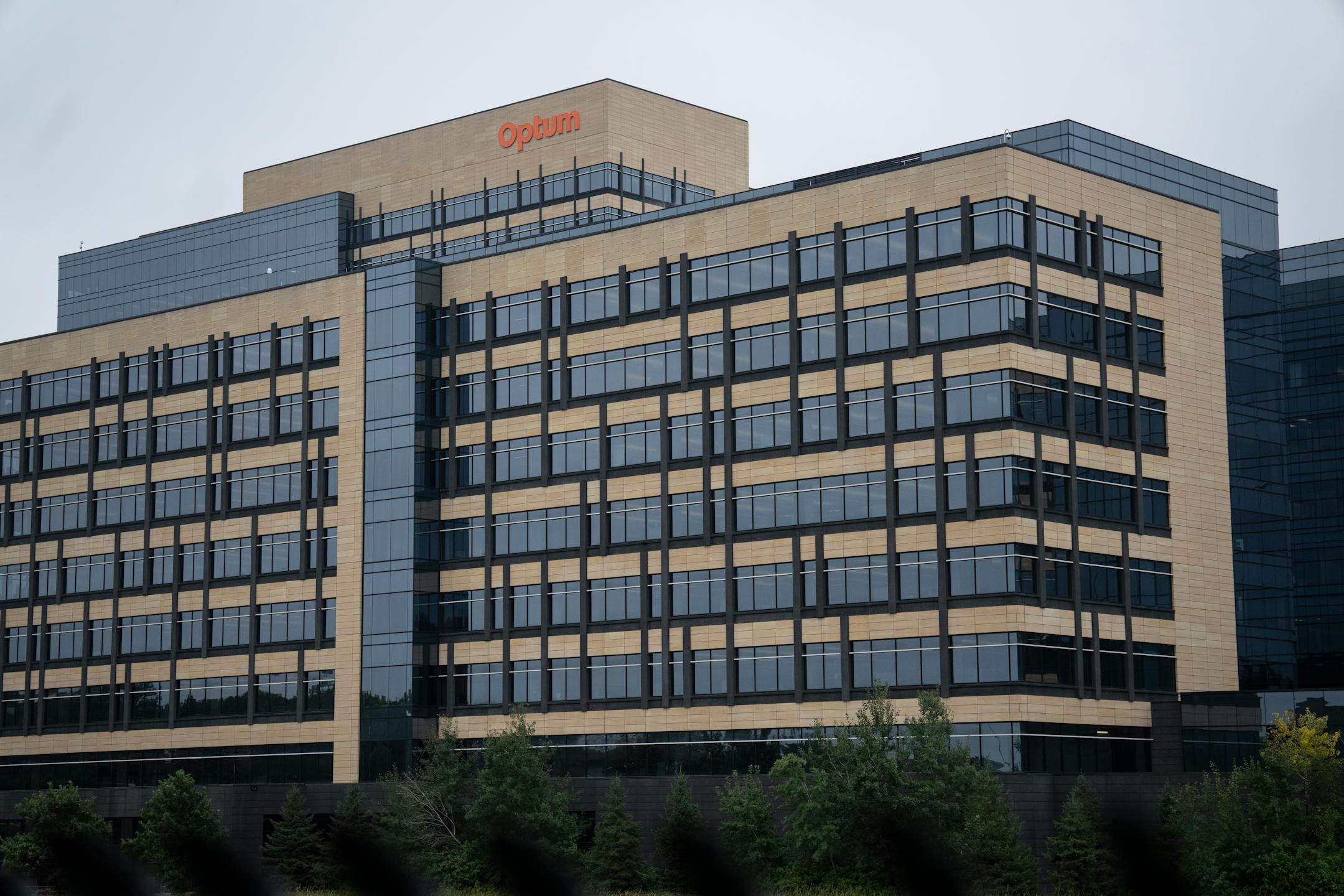
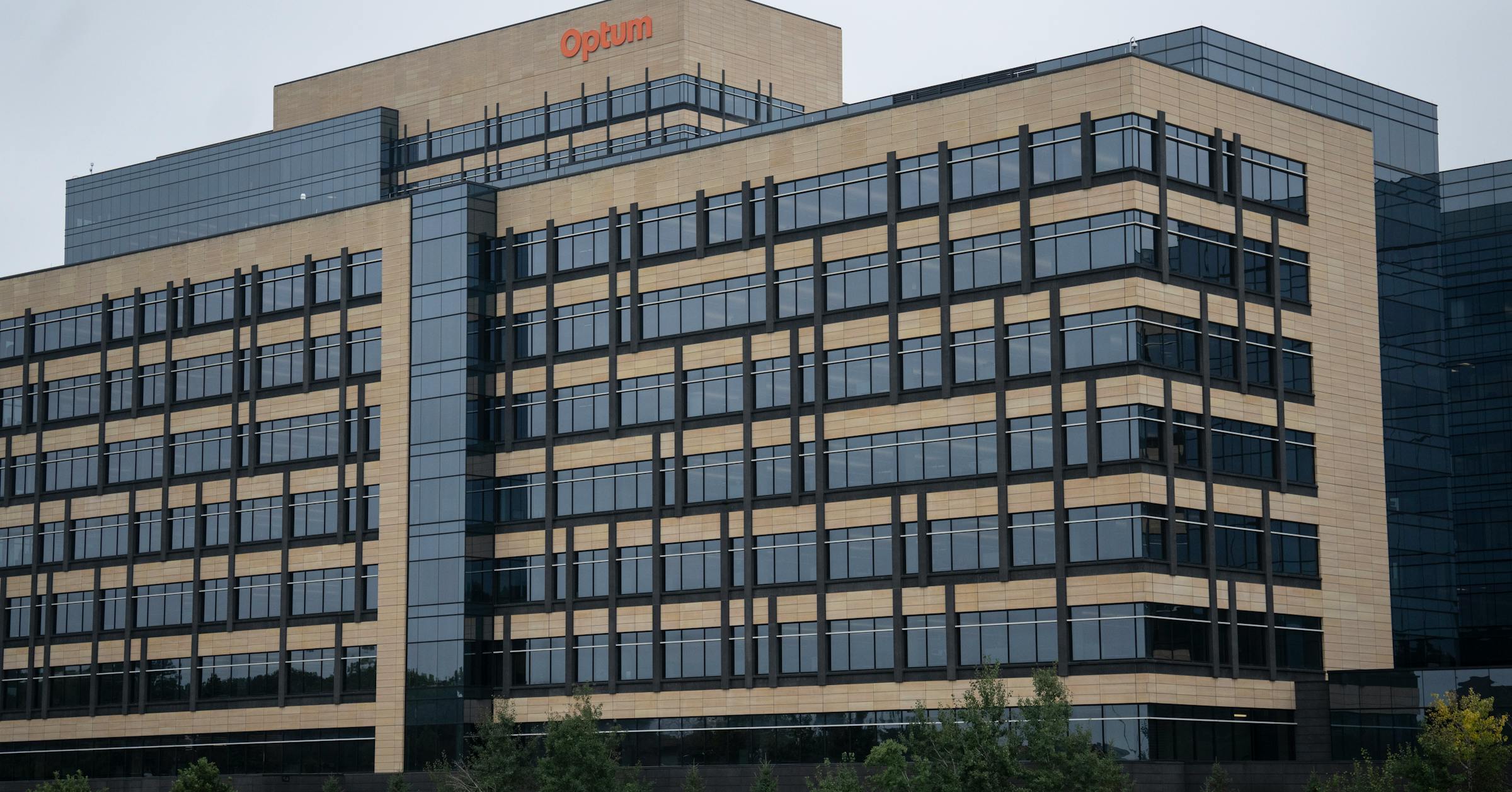
UnitedHealth Group's headquarters is located within the corporate campus of subsidiary Optum in Eden Prairie. Two new reports from a federal watchdog agency scrutinized the company's track record on denying prior authorization requests for services. (Renée Jones Schneider/The Minnesota Star Tribune)
Advertisement
CommentGiftShare
ListenPrint
UnitedHealth Group’s Medicare Advantage health plan and its two largest for-profit rivals denied patients’ requests for post-hospital care at much higher rates — 51% to 80% of the time — than other insurers, according to a new federal watchdog report.
The worrying implication is that big for-profit insurerssuch as Eden Prairie-based UnitedHealth might be more likely to hold on to patients’ premiums while not paying for their care, driving up insurer profits while angering consumers.
Insurers reject this, saying their scrutiny is warranted given the considerable prices for post-hospital care and the large variation in cost and quality among care providers who also have profit motives.
A related study published Thursday questioned whether a UnitedHealth Group subsidiary has been wrongly delaying or denying access to care by initially rejecting a high number of patient requests for admission to skilled nursing facilities, only to later overturn almost all decisions when patients appealed.
The newfindings fit with long-standing concerns that the health care giant has grown and profited, in part, by systematically slowing or blocking payments for necessary care. Thecompany has strenuously rejected that claim, attributing its success to diversification beyond health insurance into services like running clinics and managing pharmacy benefits.
Barriers to post-hospital care
Both reports from the Office of Inspector General (OIG) at the U.S. Department of Health and Human Services focused on “prior authorization,” a process where health insurers pay for certain services only if proposed treatments have been granted pre-approval.
In recent years, prior authorization rules have been at the heart of tensions between health insurers and health care providers. Fairview Health Services in Minneapolis, for example, referenced these restrictions in October 2025, when the health system threatened to stop scheduling appointments for seniors with UnitedHealthcare Medicare Advantage coverage.
Advantage plans are privatized versions of Medicare offered through health insurance companies. Slightly more seniors choose Advantage plans than traditional Medicare.
Advertisement
Advertisement
Prior authorization in Advantage plans is key to managing health care budgets, insurers argue, because it helpsensurepatients only get necessary care that doesn’t waste money. Hospitals and doctors argue they’re forced to invest too much time and energy navigating the rules, which threaten to wrongly delay treatment for patients.
“These reports highlight two key trends that raise concerns about patient access to post-acute care in Medicare Advantage,” said Rosemary Bartholomew, a subject matter expert for health care quality at the OIG.
One of the new reports looked at prior authorization denials for care at post-acute facilities, where patients can spend weeks receiving medical, therapeutic and rehabilitation care in order to return home following a hospitalization. In 2023, Medicare’s average cost for a stay ranged from $16,000 to $49,000.
Related Coverage
 \
\
Health Care\
\
Culture shift at UnitedHealth? Minnesota hospitals are wary
\
\
Health Care\
\
Culture shift at UnitedHealth? Minnesota hospitals are wary
 \
\
Health Care\
\
Fairview access at risk for 33,000 patients in UnitedHealthcare Medicare Advantage
\
\
Health Care\
\
Fairview access at risk for 33,000 patients in UnitedHealthcare Medicare Advantage \
\
Business\
\
Lawsuit accuses UnitedHealth of using faulty AI to deny Medicare patient claims
\
\
Business\
\
Lawsuit accuses UnitedHealth of using faulty AI to deny Medicare patient claims
“The dominance of a few large insurance companies, including United, in Medicare Advantage and the use of contractors to process prior authorization requests means that the policies and performance of just a couple of companies can impact care for millions of people,” Bartholomew said in an interview.
UnitedHealth Group did not comment on the reports Thursday.
Lifting some barriers
The company’s health insurance business, UnitedHealthcare, announced in May it was eliminating authorization requirements for 30% of health care services that previously required insurer approval. The insurer also said it was removing nearly two-thirds of authorization requirements for members under age 18.And the company has been expanding its national Gold Card program, which allows provider groups to bypass the rules if they consistently adhere to evidence-based care guidelines.
Most Read

Report finds high denial rates at UnitedHealth, two other Medicare Advantage plans

Sleep Number files for bankruptcy protection, merging with Canada company

ATV riders found a woman submerged in mud in the woods. ‘Help me,’ she whispered.

Most Read
Report finds high denial rates at UnitedHealth, two other Medicare Advantage plans
Sleep Number files for bankruptcy protection, merging with Canada company
ATV riders found a woman submerged in mud in the woods. ‘Help me,’ she whispered.
Advertisement
“These changes are part of our broader efforts to simplify health care and allow families — and their doctors and nurses — to pursue routine care with far fewer administrative steps, while higher-risk procedures continue to undergo reviews," said Tim Noel, the CEO of UnitedHealthcare, in a statement at the time.
AHIP, the trade group for health insurers, said the new OIG reports omitted key facts and painted a flawed picture of post-acute care in Medicare Advantage.
More than 35 million Americans choose Medicare Advantage because it provides better, more affordable care, in part by helping seniors transition from hospitals to high-quality facilities that support their rehabilitation and recovery, said Chris Bond, a spokesperson for AHIP, in a statement.
He pointed to previous reports from the OIG itself that highlighted problems with “wasteful spending and quality issues in post-acute care.” One such study estimated the government’s original Medicare program paid inpatient rehabilitation facilities across the country $5.7 billion in 2013 for care that was not reasonable and necessary.
“The reports ignore serious, well-documented concerns about wide variations in the cost and quality of post-acute care and skilled nursing facilities,” Bond said.
An 80% denial rate
In one report released Thursday, the OIG looked at denials of prior authorization requests in June 2024 for care in facilities after a hospital stay and found significant variation.
Advertisement
Advertisement
When patients sought treatment at long-term care hospitals, UnitedHealth Group’s 71% denial rate was slightly lower than Kentucky-based Humana’s 72% rate and Rhode Island-based CVS Health’s 80% rate. The comparable figure across 16 other Medicare Advantage insurers was 42%.
For care requests at inpatient rehabilitation facilities, United had the highest denial rate (66%), but rates also were high at Humana (54%) and CVS Health (51%). Other insurers collectively had a 41% denial rate.
When enrollees appealed, Medicare Advantage insurers collectively overturned more than one-third of the denials, “indicating that some enrollees were initially denied medically necessary care,” according to the report.
The OIG compared denial rates for Medicare Advantage contracts at non-profit and for-profit insurers. Investigators generally found higher rates ofprior authorization denials at investor-owned health plans.
“Differences in denial rates between for-profit and nonprofit [Medicare Advantage insurers] suggest that financial incentives may be partially driving higher denial rates,” OIG said.
97% of denials overturned
The related report released Thursday looked at a UnitedHealth Group subsidiary called naviHealth, which a number of health insurers hire to handle prior authorization requests.
Advertisement
Advertisement
NaviHealth denied requests for admission to skilled nursing facilities at a higher rate than when Medicare Advantage plans processed the requests internally or hired a different contractor. Medicare Advantage plans later overturned 97% of skilled nursing care denials issued by naviHealth when enrollees appealed.
“This raises concerns about whether contractors are receiving appropriate training and oversight,” the OIG said in the report.It also raised concerns about denials that were not appealed.
UnitedHealth Group is currently defending naviHealth against a class action lawsuit filed in 2023 in the U.S. District Court of Minnesota. Plaintiffs say the company used faulty artificial intelligence to deny Medicare patient claims, but UnitedHealth Group says coverage decisions are only made by medical directors, not by AI.
The reports Thursday are the latest in a series of OIG studies raising concerns about use of prior authorization.
“Unexplained variation in denial rates and extremely high overturn rates raise concerns for us that some patients may have been denied medically necessary care,” Bartholomew said. “We’re committed to ensuring people enrolled in Medicare Advantage have access to all of the services that are needed, and insurance companies are delivering on the value taxpayers pay them to provide.”
Advertisement
ShareComment

about the writer
Christopher Snowbeck
Reporter
Christopher Snowbeck covers health insurers, including Minnetonka-based UnitedHealth Group, and the business of running hospitals and clinics.

More from Health Care
Report finds high denial rates at UnitedHealth, two other Medicare Advantage plans
 Renée Jones Schneider/The Minnesota Star Tribune
Report finds high denial rates at UnitedHealth, two other Medicare Advantage plans
The nation’s largest for-profit Medicare Advantage insurers denied pre-approval requests for post-hospital care 51% to 80% of the time, the study says. The industry says the findings paint a flawed picture.
Drive-in COVID testing firm to pay $4.87M over allegations of pandemic profiteering
 MADELINE CASS/The New York Times
Drive-in COVID testing firm to pay $4.87M over allegations of pandemic profiteering
GS Labs opened testing centers in the Twin Cities to capitalize on spiking demand during the pandemic.
New deal between U of M and Fairview shows both sides still need each other
 Alex Kormann/The Minnesota Star Tribune
New deal between U of M and Fairview shows both sides still need each other
Minnesota Attorney General Keith Ellison guided new agreement between health care partners who have tussled in public for years.
Report finds high denial rates at UnitedHealth, two other Medicare Advantage plans
Renée Jones Schneider/The Minnesota Star Tribune
Report finds high denial rates at UnitedHealth, two other Medicare Advantage plans
The nation’s largest for-profit Medicare Advantage insurers denied pre-approval requests for post-hospital care 51% to 80% of the time, the study says. The industry says the findings paint a flawed picture.
Advertisement
Advertisement
Advertisement
Read Original at Star Tribune →