
Manage your tracker preferences
We use cookies and similar tracking technologies to remember preferences, analyze traffic, and deliver ads. Using some kinds of trackers (like cross-site or behavioral advertising cookies) may be considered a “sale” or “sharing” of personal data under certain state laws. You can opt in or out of these trackers below.
Targeted advertising cookies and similar trackers On
Setting this to “off” disables targeted advertising and related trackers in your current browser. To fully opt out, you must disable tracking on each browser and device you use. Clearing cookies may reset your preferences. Because we can't link your Axios subscriber account (email) to browser cookies, you may also want to update your settings in the Privacy Center to ensure your account is fully opted out. See our Privacy Policy for more on how we use personal data and your rights. Review our Privacy Policy at axios.com/legal for more on how we use personal data and your rights.
Save
4 hours ago - Energy & Climate
The power decisions that could shape the next century

-
email (opens in new window)
-
sms (opens in new window)
-
facebook (opens in new window)
twitter (opens in new window)
linkedin (opens in new window)
bluesky (opens in new window)
Add Axios as your preferred source to
see more of our stories on Google.
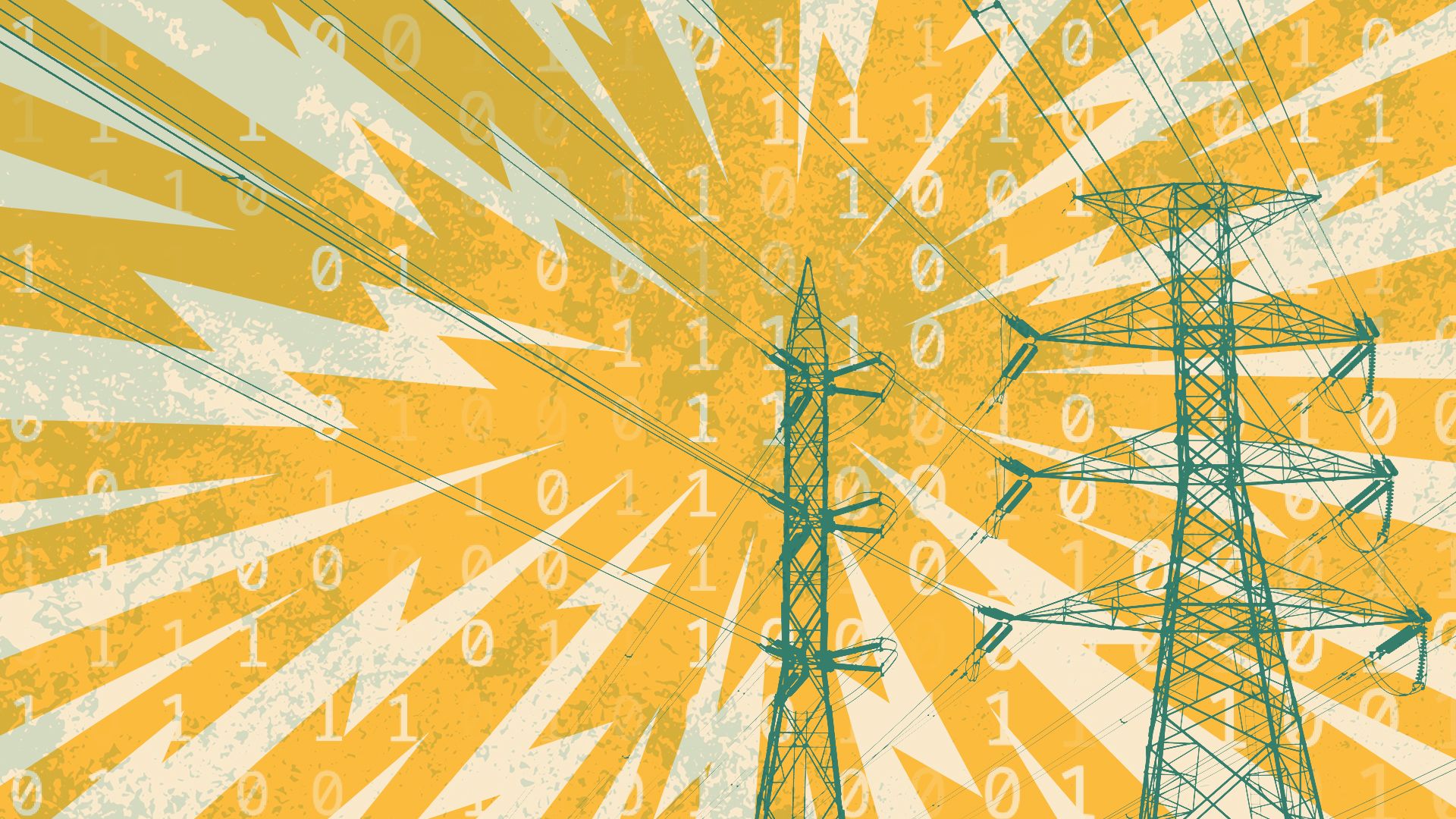
Illustration: Sarah Grillo/Axios. Stock: Getty Images
The AI-driven power boom is forcing a once-in-a-generation decision about how America's electricity system should grow.
The big picture: For decades, utilities planned around predictable increases in demand. AI is changing that.
State of play: Data centers now seek amounts of electricity that used to be associated with entire cities — raising questions about who pays for new infrastructure, who gets access to scarce power and how quickly projects can connect to the grid.
Driving the news: Debates are unfolding at the nation's largest grid operator, PJM, and at the Federal Energy Regulatory Commission.
- Some proposals would allow data centers to connect directly to power plants or generate their own power on site, at least initially operating outside the broader electricity grid.
Zoom out: Those debates reflect a broader question facing regulators across the country: how to handle massive new electricity users.
What we're watching: Multiple decisions will unfold over months and years, with a key decision by the federal agency expected as soon as this month.
- The outcomes will influence electricity prices, reliability and the pace of AI development.
The bottom line: Decisions now being made by regulators, utilities and technology companies could determine whether the AI boom accelerates a historic expansion of the electric grid — or creates a parallel power system alongside it.
This story is part of an Axios Deep Dive on the policy debates shaping America's future. Read more in the series:
America's killer app: The dollar as the world's currency
AI oversight gap could leave a lasting legacy
The fight over America's vaccine future
ABC's FCC battle could redefine press freedom
America's race categories face a stress test
-
email (opens in new window)
-
sms (opens in new window)
-
facebook (opens in new window)
twitter (opens in new window)
linkedin (opens in new window)
bluesky (opens in new window)