War With Iran:
BackForward
FacebookXLinkedIn
EmailLink
Gift
Expand
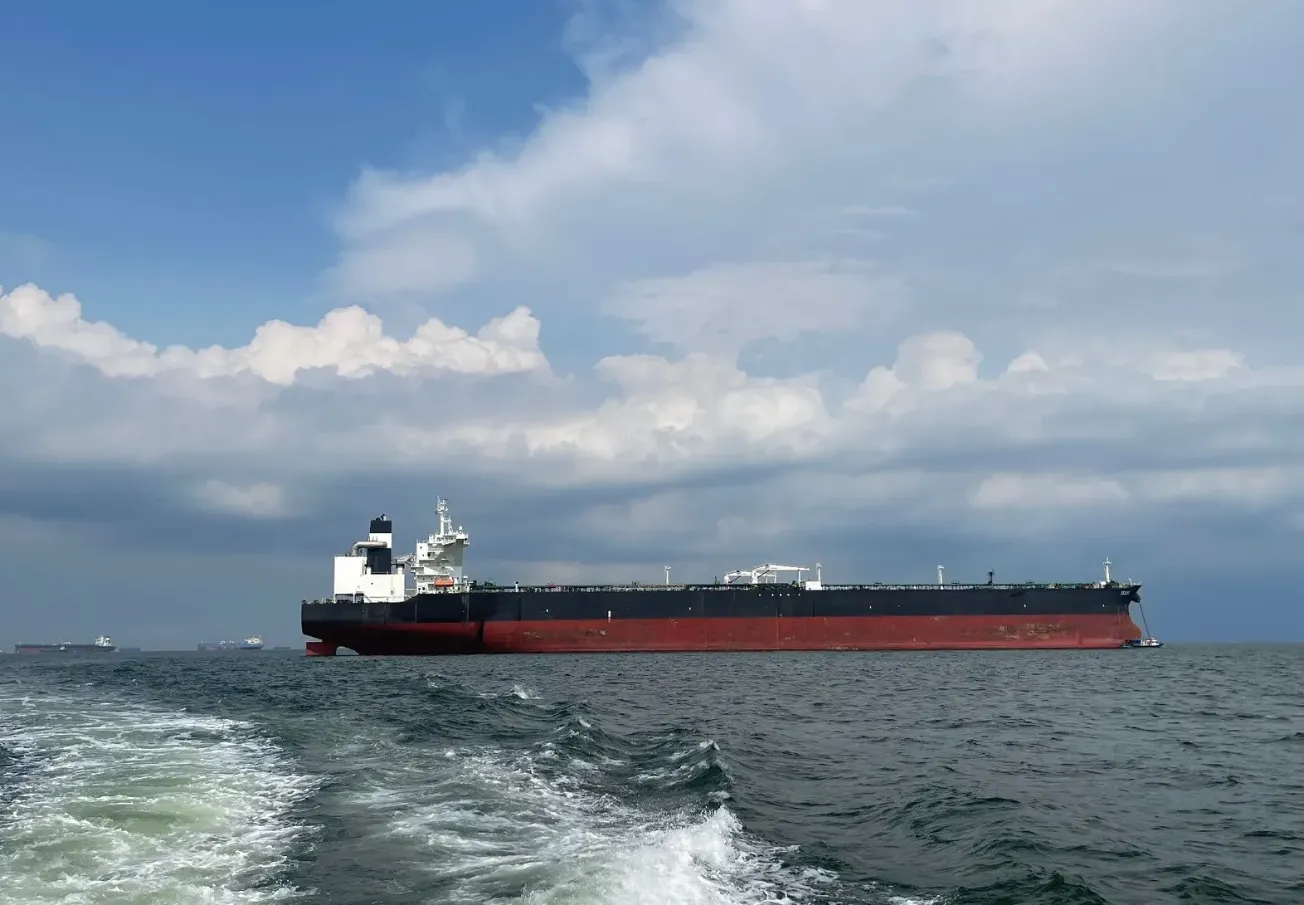
The Angola B crude oil tanker in 2025, currently controlled by Sinokor. Photographer: Arsalan Hussain/MarineTraffic
FacebookXLinkedIn
EmailLink
GiftGift this article
Contact us:\ Provide news feedback or report an error
Confidential tip?\ Send a tip to our reporters
Site feedback:\ Take our SurveyNew Window
FacebookXLinkedIn
EmailLink
Gift
By Weilun Soon, Alex Longley, and Anthony Di Paola
July 5, 2026 at 7:00 PM UTC
BookmarkSave
Just a few weeks into the war, one of the Persian Gulf’s top oil producers quietly began sneaking its crude out of the Strait of Hormuz. Before long, the covert project became so successful that the United Arab Emirates was already approaching its pre-war rate of flows through the waterway by the time the US and Iran signed their interim peace deal.
The UAE’s aggressive push to get barrels safely out of the strait relied on tactics normally associated with sanctioned countries like Iran, Russia and Venezuela: the ships traveled “dark” without their transponders (and often under the cover of literal darkness) before offloading their cargo into other tankers waiting outside the waterway, and then returning back to collect more.
Read Original at Bloomberg.com →